Archaeological Museum Kalibangan
| Place | Kalibangan |
|---|---|
| State / UT | Rajasthan |
| Virtual Museum | No |
| Year of Establishment | 1985 |
| Museum Type | Archaeological, Site Museum |
| National Importance Museum | Yes |
| Visiting Time | 10:00 AM to 05:00 PM (Closed on Fridays) |
| Entry Fee | ₹5 for Indian citizens, SAARC, and BIMSTEC visitors; ₹100 for Foreign nationals (Free for children b |
Museum Introduction
Established in 1983 (formally 1985), this site museum was built to preserve and exhibit antiquities unearthed during the 1961–69 excavations at the Kalibangan Harappan site. It is situated on the southern bank of the Ghaggar River in the Hanumangarh district of Rajasthan. The museum highlights the stratigraphy and cultural evolution of the Indus Valley Civilization in this region.
General Collections
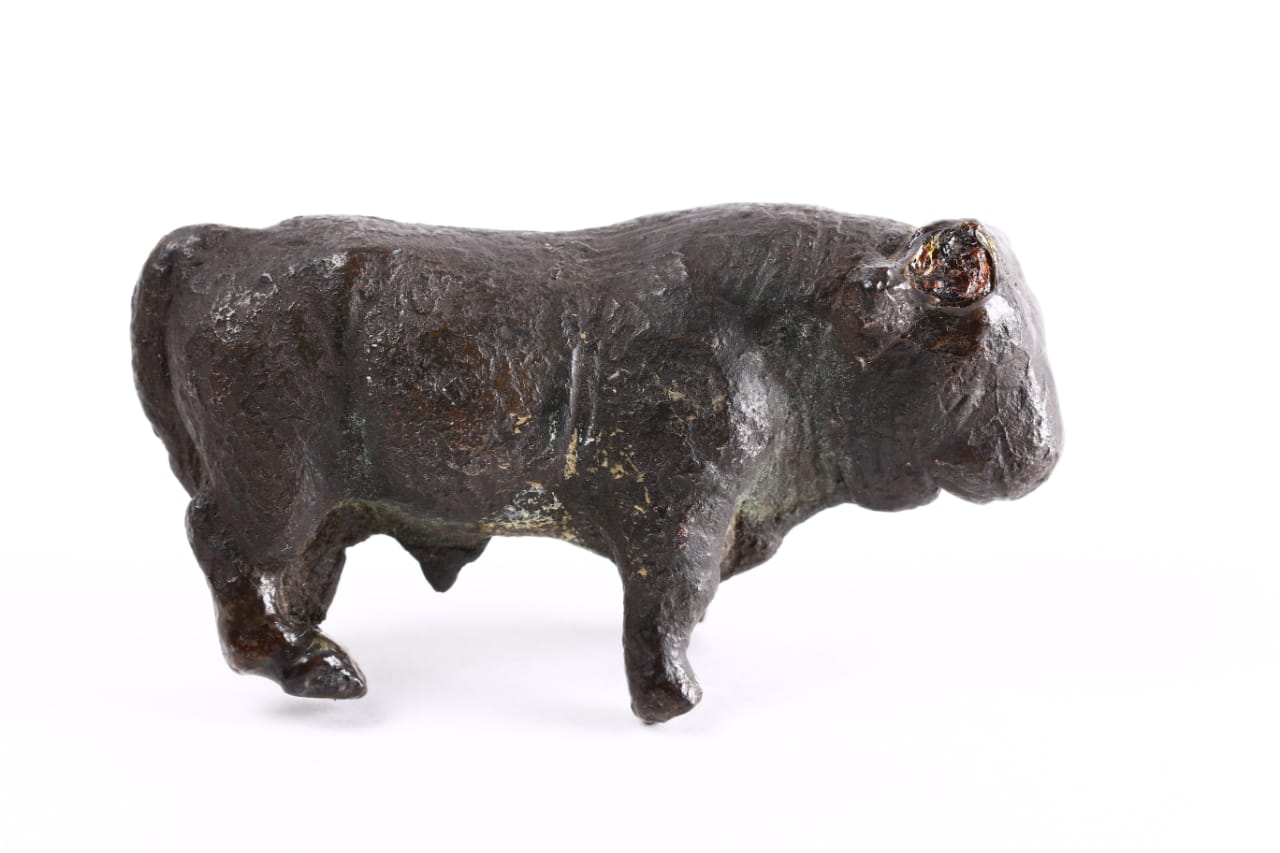
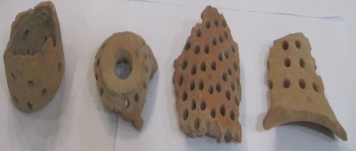
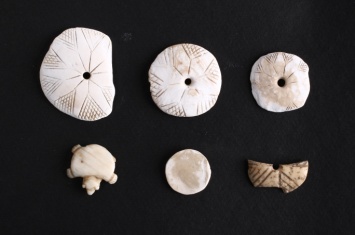
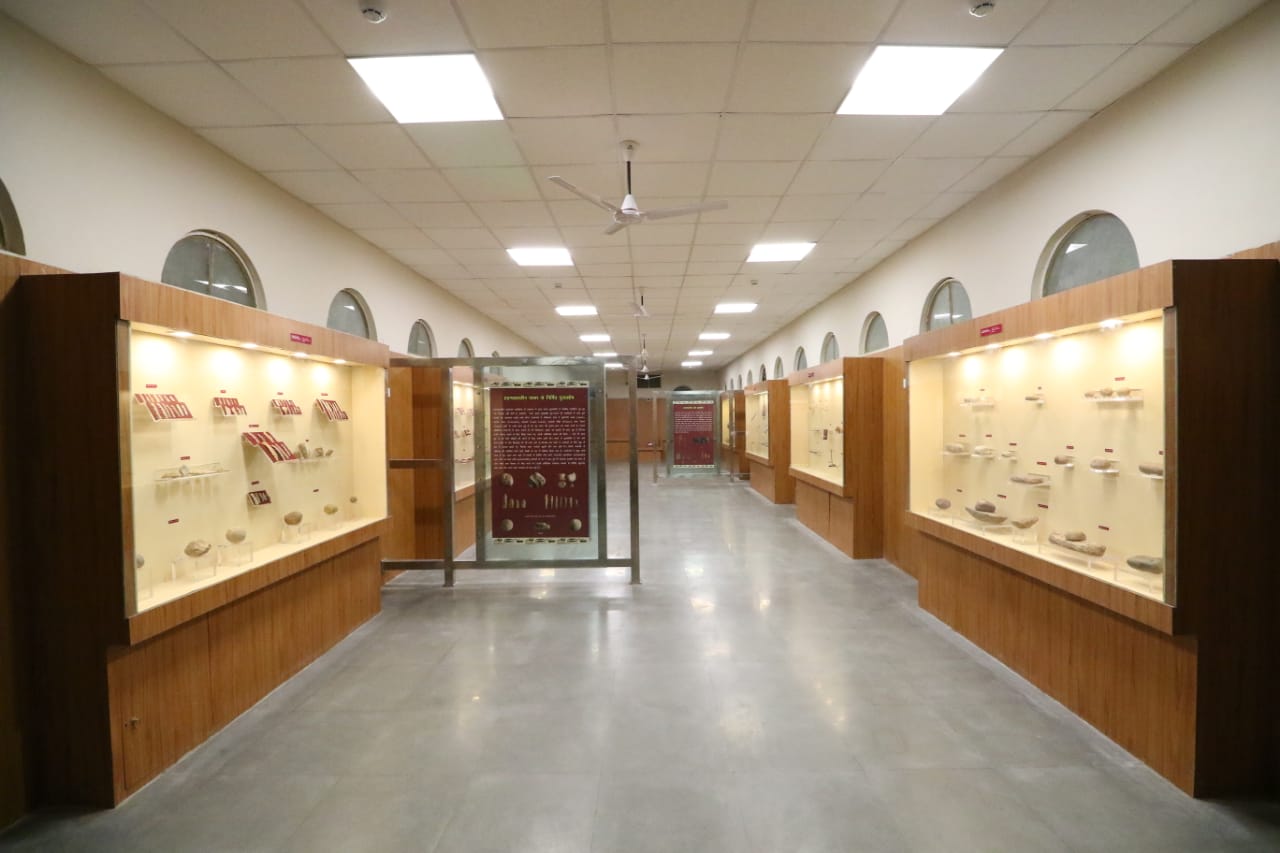
The collection is organized into three galleries showcasing artifacts from the Pre-Harappan (Early Harappan) and Mature Harappan periods. It includes a vast array of pottery (six distinct fabrics), terracotta figurines, bangles, seals, stone implements, and household items like querns and grinders.
Unique Historical Collections
The museum houses evidence of the earliest known ploughed field in the world and unique fire altars that suggest specific ritualistic practices not commonly found in other Harappan sites. It also features a rare cylindrical seal and a terracotta graduated scale for measurement.
Additional Information
Artifact Gallery