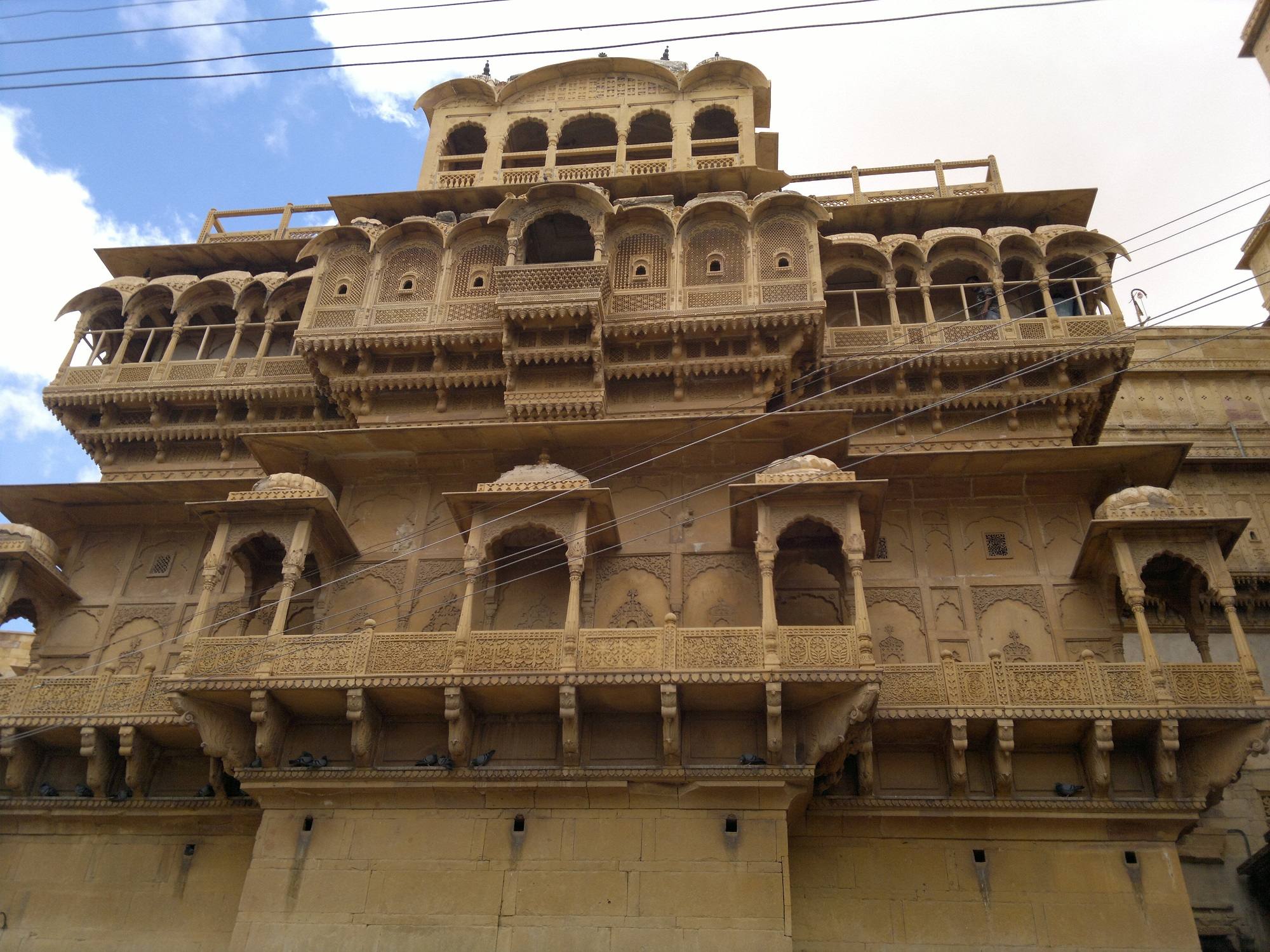
Kothari's Patwon ki Haveli Museum
| Place | Jaisalmer |
|---|---|
| State / UT | Rajasthan |
| Virtual Museum | No |
| Year of Establishment | Not Available |
| Museum Type | Historic House and Ethnographic Museum |
| National Importance Museum | Yes |
| Visiting Time | 9:00 AM to 6:30 PM (Open daily) |
| Entry Fee | Indian Adults: ₹150 Foreigners: ₹300 |
Museum Introduction
Kothari's Patwon ki Haveli is the first and most palatial of a cluster of five mansions built between 1805 and 1860 by the wealthy merchant Guman Chand Patwa for his five sons. After the family's fortunes declined, this specific haveli was purchased and meticulously restored by the Kothari family, who converted it into a private museum. The structure is a masterpiece of "Jaisalmer style" architecture, constructed entirely of yellow sandstone with intricate filigree work, intended to showcase the affluence of the Jain merchant class during the 19th century.
General Collections
The museum recreates the 19th-century lifestyle of Jaisalmer’s elite traders through themed rooms including the Diwan-khana (living room), Zenana (women's quarters), a traditional kitchen, and a dressing room. The collection features antique furniture, copper and brass utensils, embroidered textiles, and a specialized gallery of ethnic turbans from different regions of Rajasthan.
Unique Historical Collections
Highlights include 19th-century hidden safes and secret wall niches used by merchants to stash gold and opium, and a rare collection of Belgian glass used in the lattices. The museum also displays authentic Brocade (Patwa) work gold and silver thread embroidery which was the source of the family's original wealth. The Sheesh Mahal (Mirror Room) within the haveli features a ceiling of vibrant mirror mosaics that represent a fusion of Rajput and Mughal artistry.